Building Trust in the Mobile-First Era: Why Security Is the Foundation of Every Great App
Every great mobile app starts with a simple promise: keep users safe.
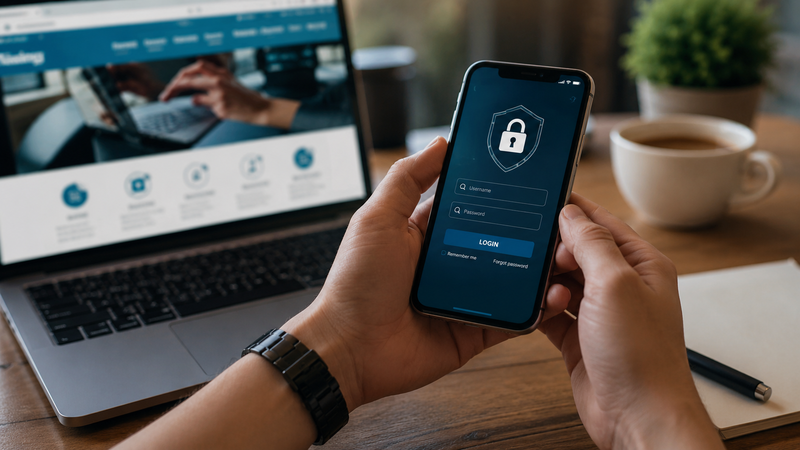

The Growing Importance of Mobile Security
Every interaction within a mobile application generates valuable data. Login credentials, payment information, location details, uploaded documents, and personal preferences all contribute to a digital footprint that deserves strong protection.
As cyber threats continue to evolve, attackers increasingly target mobile devices because they often contain valuable personal and business information. Even a small security vulnerability can expose sensitive data, damage customer trust, and create long-term business risks.
Organizations that prioritize security from the beginning are better prepared to reduce these risks while creating applications that users feel confident using every day.
Security Is More Than Technology
Many people associate security with passwords or antivirus software, but effective mobile security extends far beyond those basics.
A secure application is designed with privacy in mind from the earliest planning stages. Developers carefully evaluate how information is collected, stored, transmitted, and accessed throughout the application's lifecycle.
Strong security also enhances the overall user experience. When users know their information is protected, they are more likely to trust an application, continue using it, and recommend it to others.
Common Risks Facing Mobile Applications
Every mobile application faces unique security challenges depending on its purpose, users, and infrastructure. Some of the most common risks include:
Weak authentication systems
Poor password management
Unencrypted sensitive data
Insecure API communication
Outdated third-party libraries
Excessive application permissions
Insufficient security testing
Improper session management
Most security incidents occur because of several small weaknesses rather than a single major vulnerability. Regular security reviews help identify and resolve these issues before they become serious problems.
Best Practices for Secure Mobile Development
Developing secure mobile applications requires continuous attention throughout the software development lifecycle.
Build Security Into the Design
Security should never be treated as an afterthought. Designing secure architecture from the beginning helps reduce vulnerabilities, simplify maintenance, and improve long-term reliability.
Protect User Authentication
Implement strong passwords, multi-factor authentication (MFA), and biometric verification whenever appropriate. These measures significantly reduce the risk of unauthorized account access.
Encrypt Sensitive Information
Sensitive information should remain encrypted both while stored on devices and while transmitted across networks. Encryption provides an essential layer of protection against data theft.
Secure API Communication
Backend services should verify every request using proper authentication and authorization while communicating exclusively over encrypted HTTPS connections.
Perform Regular Security Testing
Security testing should be integrated into every release cycle through:
Code reviews
Penetration testing
Vulnerability assessments
Automated security scanning
Continuous testing helps identify weaknesses before they impact users.
Keep Software Updated
Regularly updating operating systems, frameworks, SDKs, and third-party libraries helps eliminate known vulnerabilities and improves overall application stability.
Security Builds Customer Confidence
Trust is one of the most valuable assets any organization can earn.
Today's users are increasingly aware of cybersecurity and data privacy concerns. They naturally prefer products and services that demonstrate responsible security practices.
Organizations that consistently invest in mobile application security often experience:
Higher customer satisfaction
Better long-term user retention
Stronger brand credibility
Lower operational risk
Improved regulatory compliance
Greater confidence when launching new digital products
Security supports both technical excellence and sustainable business growth.
Preparing for the Future
Artificial intelligence, wearable technology, cloud computing, connected devices, and digital payments continue to reshape the mobile landscape. While these innovations create exciting opportunities, they also introduce new security challenges.
Rather than treating security as a one-time implementation, successful organizations continuously evaluate risks, update their systems, educate development teams, and improve their security practices over time.
A culture of continuous improvement enables businesses to adapt to emerging technologies without compromising user trust.
Learn More About Mobile Application Security
Understanding mobile application security is an ongoing journey for developers, startups, and business leaders. If you're looking for practical guidance on protecting iOS and Android applications, explore the Mobile App Security Checklist: Complete Guide:
👉 https://digitalutilization.com/blog/ios-mobile-app-security-checklist-complete-guide
This comprehensive resource covers:
Secure authentication
Data encryption
API security
Secure coding practices
Vulnerability testing
Mobile application security best practices
Long-term application maintenance
Whether you're developing a new application or improving an existing one, this guide provides actionable insights for building safer, more reliable mobile experiences.
Final Thoughts
Technology continues to evolve at an incredible pace, but one principle remains constant: users expect their information to be protected.
Building secure mobile applications is about more than preventing cyberattacks—it is about creating trustworthy digital experiences that respect user privacy, strengthen customer relationships, and support long-term business success.
Organizations that embrace security as a continuous commitment—not simply a development milestone—will be better positioned to build reliable, scalable, and user-focused applications in an increasingly connected world.

Comments
No comments yet. Be the first to comment!